Exam Survival Guide: 7 Essential Tips to Ace Your Tests 🎓🏆
Finals approaching? 🤔 Don't panic! Our comprehensive Exam Survival Guide walks you through 7 actionable strategies—from early preparation to mastering focus—to help you walk into your exams with total confidence. 📚✅
Introduction
The exam season often feels like a high-stakes endurance race 🏃♂️💨. Between the mounting piles of textbooks and the ticking clock ⏰, it is easy to feel overwhelmed. However, acing your finals isn't just about how much you study—it’s about how you study.
If you want to move from "panicked" to "prepared," you need a strategic survival plan. Here are seven evidence-based strategies to help you conquer your exams and protect your mental well-being 🧠✨.
1. The Early Bird Advantage: Start Your Prep Now 🌅📚
Procrastination is the primary source of exam anxiety 😰. When you leave everything until the final week, your brain enters "survival mode," making it harder to retain complex information.
The Strategy: Break your syllabus into manageable chunks.
The Benefit: Starting early allows for Spaced Repetition, a technique where you review material over increasing intervals. This moves information from your short-term memory to your long-term storage 🧠💾.
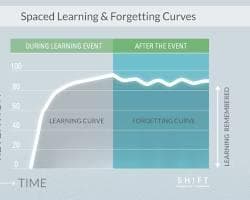
Alt Text: Infographic showing the difference between spaced repetition and cramming for effective student learning.
2. Master the Art of Past Papers 📝🔍
Reading your notes gives you a false sense of security. To truly know if you’re ready, you must test your ability to retrieve information under pressure.
The Strategy: Set a timer and complete at least three years of past exam papers ⏱️.
The Benefit: This familiarizes you with the examiner's questioning style and helps you manage your time effectively during the actual test.
3. Leverage the Power of Group Study 🤝🗣️
Sometimes, a peer can explain a concept better than a professor. Group study allows you to fill the gaps in your knowledge through discussion.
The Strategy: Organize a "Teach-Back" session. Choose a topic, study it individually, and then take turns teaching it to the group.
The Benifits.If you can explain a concept clearly to someone else, it proves you have mastered the material 💡.
4. Prioritize "Brain Fuel" and Sleep 😴🍎
Many students sacrifice sleep for more study hours, but this is counterproductive. A sleep-deprived brain cannot focus, process logic, or recall facts accurately.
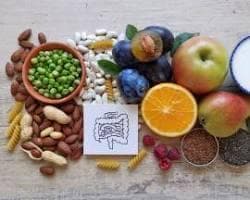
Alt Text: A healthy study desk setup with fresh fruits, a water bottle, and open textbooks to boost brain power.
The Strategy: Aim for 7–9 hours of sleep, especially the night before the exam. Swap sugary snacks for "brain foods" like nuts, blueberries, and plenty of water 💧.
The Benefit: Sleep is when your brain consolidates memories. Think of it as the "save button" 💾 for everything you learned that day.
5. Use Active Recall, Not Passive Reading 🧠💡
Highlighting and re-reading are the least effective study methods. They are "passive" and don't challenge your brain.
The Strategy: Close your book and write down everything you remember about a topic on a blank sheet of paper 📄. Then, check your notes to see what you missed.
The Benefit: This strengthens the neural pathways associated with that information, making it much easier to recall during the exam ✅.
6. Implement Stress-Busting "Hacks" 🧘♀️🌬️
Test anxiety can cause a "mental block" where your mind goes blank 😶. Learning to manage your physical response to stress is vital for survival.
The Strategy: Practice the 4-7-8 breathing technique (inhale for 4 seconds, hold for 7, exhale for 8) when you feel panic rising.
The Benefit: This resets your nervous system, lowering your heart rate and allowing your prefrontal cortex (the thinking part of your brain) to take control again.
7. Organize Your Environment 🧹💻
A cluttered desk leads to a cluttered mind 🤯. Your physical study space significantly impacts your ability to sustain focus for long periods.

Alt Text: A healthy study desk setup with fresh fruits, a water bottle, and open textbooks to boost brain power.
The Strategy: Create a dedicated, distraction-free zone. Keep only the essentials: your laptop, notebook, water, and one subject's materialat a time 🚭📱.
The Benefit: Removing digital and physical distractions reduces the "cognitive load" on your brain, allowing you to reach a state of Deep Work faster.
Conclusion 🎓🚀
Exams are a test of preparation, not just intelligence. By starting early, testing yourself constantly, and taking care of your physical health, you transform the exam from a threat into an opportunity to showcase your hard work.
Remember: You don’t just want to survive exam season—you want to thrive in it 🌟.
Related Reading:
🧠 How to Improve Your Memory: 5 Science-Backed Methods
🧘♂️ Managing Academic Stress: A Student's Guide to Mental Health
Share this article: